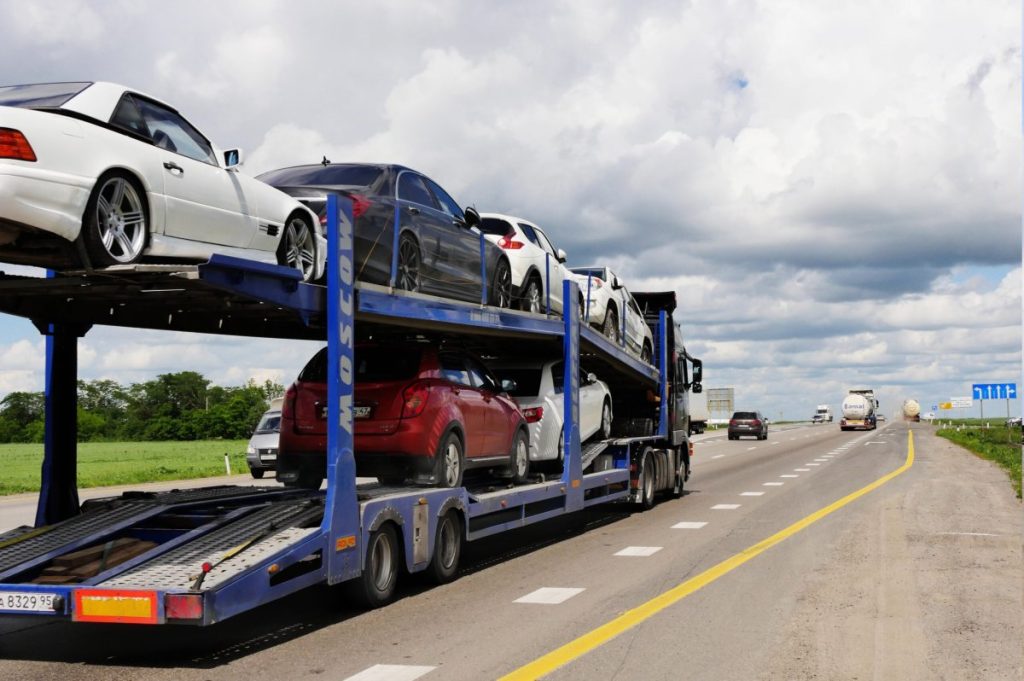
Moldova Car Excise Duties in 2027: New Import Taxes and How Much You Will Pay

Starting January 1, 2027, the Republic of Moldova is expected to introduce new excise duty rates for imported passenger vehicles. The changes include a 10% increase in excise duties on petrol and diesel cars, the introduction of excise duties on fully electric vehicles, revised tax benefits for hybrid cars, and higher charges for classic and collectible vehicles.
These measures are part of Moldova’s fiscal and customs policy package for 2027, adopted by the Parliament of the Republic of Moldova in its final reading on October 22, 2026.
What will these changes mean for drivers and people planning to import a car into Moldova? Below, we explain the new rates, compare them with 2026, and provide practical examples of how vehicle excise duties are calculated.
What Will Change for Car Imports in Moldova in 2027?
The new regulations affect several categories of passenger vehicles:
- Petrol and diesel cars: Excise duty rates will increase by 10%.
- Fully electric vehicles (BEVs): A new excise duty will be introduced based on vehicle weight and age.
- Conventional hybrid cars (HEVs): The existing 25% excise duty reduction will be removed.
- Plug-in hybrid vehicles (PHEVs): A 25% reduction in the calculated excise duty will remain available for eligible vehicles.
- Classic and collectible vehicles: Fixed excise duties will increase to between MDL 60,000 and MDL 90,000, depending on vehicle age.
- Diesel fuel: The excise duty on diesel fuel will increase by 20%.
Most of the vehicle-related changes are scheduled to take effect on January 1, 2027.
Their final application will depend on the officially published legislation and any applicable transitional provisions.

Excise Duties on Petrol and Diesel Cars in 2027
For passenger cars equipped with conventional internal combustion engines, Moldova has approved a general 10% increase in excise duty rates.
As under the current system, the amount payable depends mainly on:
- Engine displacement, measured in cubic centimetres (cm³).
- Vehicle age.
The applicable rate varies according to the engine capacity category and the age of the vehicle.
For example, a petrol car with an engine displacement between 1,001 and 1,500 cm³ and an age of up to two years will be subject to a rate of MDL 13.45 per cm³ in 2027, compared with MDL 12.23 per cm³ in 2026.
Calculation Example: Petrol Car With a 1.4-Litre Engine
Consider a passenger car with the following characteristics:
- Fuel type: Petrol.
- Engine displacement: 1,400 cm³.
- Vehicle age: Up to two years.
- Vehicle category: Passenger car.
| Description | 2026 | 2027 |
|---|---|---|
| Excise duty per cm³ | MDL 12.23 | MDL 13.45 |
| Engine displacement | 1,400 cm³ | 1,400 cm³ |
| Total excise duty | MDL 17,122 | MDL 18,830 |
The difference is MDL 1,708.
For this particular vehicle, the excise duty alone will therefore increase by approximately MDL 1,700 in 2027.
Vehicles with larger engines or different ages will be subject to other applicable rates.
Important: These figures represent excise duty only, not the full cost of customs clearance, vehicle registration, or other applicable charges.
Electric Vehicle Excise Duties in Moldova From 2027
One of the most significant changes concerns fully electric passenger vehicles.
While these vehicles benefited from a zero excise duty rate in 2026, Moldova plans to introduce a weight-based excise duty in 2027.
Unlike petrol and diesel vehicles, whose excise duties are calculated using engine displacement, the amount payable for electric cars will depend on:
- The vehicle’s own weight.
- Vehicle age.
- The excise duty rate for the relevant weight category.
Electric Vehicle Excise Duty Rates for 2027
The following rates apply to electric passenger cars up to two years old:
| Electric Vehicle Weight | 2027 Excise Duty |
|---|---|
| Up to 1,000 kg inclusive | MDL 7.89/kg |
| Over 1,000 kg to 1,500 kg | MDL 10.09/kg |
| Over 1,500 kg to 2,000 kg | MDL 15.59/kg |
| Over 2,000 kg to 3,000 kg | MDL 25.69/kg |
| Over 3,000 kg | MDL 45.87/kg |
Different rates apply to older electric vehicles, depending on their age category.
Example: Excise Duty on an Electric Car Weighing 1,800 kg
Suppose you intend to import a fully electric vehicle with the following characteristics:
- Age: Up to two years.
- Own weight: 1,800 kg.
- Applicable rate: MDL 15.59 per kilogram.
The calculation is:
1,800 kg × MDL 15.59 = MDL 28,062.
In this example, the excise duty on the electric vehicle in 2027 would amount to MDL 28,062.
By comparison, fully electric passenger cars were subject to a zero excise duty rate in 2026.
Consequently, anyone planning to purchase an electric vehicle abroad should include the new excise duty when estimating the total import cost.
The vehicle’s own weight should be confirmed using its official technical documentation rather than estimated from general model specifications.
Hybrid Car Excise Duties in 2027: HEV vs Plug-in Hybrid
Another important change concerns the preferential tax treatment of hybrid vehicles.
From 2027, the applicable excise duty will depend on the type of hybrid powertrain and the vehicle’s customs tariff classification.
Conventional Hybrid Vehicles (HEVs): The 25% Reduction Will Be Removed
Conventional hybrid electric vehicles, commonly known as HEVs, combine an internal combustion engine with an electric motor.
Unlike plug-in hybrids, these vehicles cannot recharge their traction batteries from an external electricity supply.
Under the approved amendments, the existing 25% excise duty reduction for conventional hybrids will be removed.
This means that from 2027, HEVs will generally be subject to the full applicable excise duty rate based on their engine displacement and vehicle age.
Importing conventional hybrids may therefore become more expensive due to both the general increase in excise duty rates and the removal of the previous tax benefit.
Plug-in Hybrid Vehicles (PHEVs): A 25% Reduction Remains
Plug-in hybrid electric vehicles combine an internal combustion engine with an electric motor and can recharge their batteries from an external electricity source.
Eligible PHEVs will continue to benefit from a 25% reduction in the calculated excise duty.
Under the revised wording of Article 124(18) of Moldova’s Tax Code, this reduction applies to passenger vehicles classified under the following tariff headings:
- 870360 — Rechargeable petrol-electric hybrid vehicles.
- 870370000 — Rechargeable diesel-electric hybrid vehicles.
A 25% reduction means that the importer pays 75% of the excise duty calculated using the standard rate.
For example, if the standard excise duty is MDL 40,000:
MDL 40,000 × 75% = MDL 30,000.
The saving in this hypothetical example is MDL 10,000.
The actual amount payable for a specific vehicle depends on its engine displacement, age, technical characteristics, and customs classification.
Comparison of Hybrid Vehicle Tax Treatment in 2027
| Vehicle Type | Excise Duty Treatment in 2027 |
|---|---|
| HEV – Conventional hybrid | No 25% reduction |
| PHEV – Plug-in hybrid | 25% reduction for eligible vehicles |
| MHEV – Mild hybrid | No specific reduction |
| BEV – Fully electric | Excise duty based on weight and age |
Before importing a hybrid vehicle, it is important to verify its exact powertrain configuration and applicable tariff code.
The word “Hybrid” in a vehicle’s commercial name does not automatically qualify it for reduced excise duty.
New Import Duties for Classic and Collectible Vehicles in 2027
The 2027 tax changes also affect collectible vehicles of historical or ethnographic interest.
Fixed excise duty amounts are set according to the age of the vehicle.
Classic Car Excise Duties: 2026 vs 2027
| Vehicle Age | 2026 | 2027 |
|---|---|---|
| 30–39 years | MDL 40,000 | MDL 90,000 |
| 40–49 years | MDL 30,000 | MDL 75,000 |
| 50 years and older | MDL 20,000 | MDL 60,000 |
The largest absolute increase applies to vehicles aged 30–39 years, with the duty rising from MDL 40,000 to MDL 90,000.
However, not every vehicle over 30 years old automatically qualifies as a collectible vehicle.
Special classification requires compliance with legal criteria concerning the vehicle’s originality, historical status, and supporting documentation.
These may include an expert assessment from an accredited specialist and confirmation from the relevant authority responsible for movable cultural heritage.
Anyone planning to import a classic car should therefore verify whether it qualifies for the applicable collectible vehicle classification before purchasing it.
Other Tax Changes Affecting Drivers in Moldova in 2027
In addition to vehicle import excise duties, Moldova’s 2027 fiscal policy introduces changes concerning diesel fuel, road-use taxes, and certain used-car sales.
Diesel Fuel Excise Duty Will Increase by 20%
In 2027, the excise duty on diesel fuel is scheduled to increase from MDL 3,978.95 to MDL 4,774.70 per tonne.
Further increases are planned in subsequent years.
Higher diesel excise duties may influence retail fuel prices, although the final price at the pump will also depend on other economic and market factors.
Changes to Moldova’s Road-Use Tax Payment Rules
From 2027, the payment rules for the road-use tax applicable to vehicles registered in Moldova will be adjusted.
For vehicles subject to annual periodic technical inspections, the tax will be paid in connection with the inspection.
For newer vehicles that undergo technical inspection once every two years, the road-use tax must still be paid for the year in which no inspection takes place.
Therefore, having a two-year technical inspection interval does not automatically exempt a vehicle owner from annual road-use tax obligations.
Tax Changes for Used-Car Sales
The 2027 fiscal package also includes changes to the taxation of certain vehicle sales.
One amendment removes the requirement for a legal entity purchasing a vehicle from a private individual to withhold income tax in specified circumstances.
Additional provisions concern income generated from the sale of passenger cars owned for at least three years.
The precise tax treatment depends on the circumstances of the transaction and the final applicable legislation.
Vehicle owners should verify the relevant conditions before assuming that a sale is exempt from tax.
What Should You Check Before Importing a Car Into Moldova in 2027?
If you are considering purchasing a car from Germany, France, Italy, the United States, or another country, the new excise duty rules could significantly affect your overall budget.
Before completing the purchase, consider the following steps.
1. Verify the vehicle’s technical specifications.
Confirm its manufacturing date, engine displacement, fuel type, and powertrain technology. For electric vehicles, check the officially documented own weight.
2. Identify the correct vehicle category.
For hybrid vehicles, determine whether the car is an HEV, PHEV, or MHEV. These categories may have different tax treatment.
3. Calculate excise duty using the rates applicable to the import year.
If the vehicle is scheduled for customs clearance in 2027, do not automatically rely on the rates applicable in 2026.
4. Check customs declaration dates and transitional rules.
For vehicles purchased in late 2026 but declared or cleared through customs in 2027, the applicable transitional provisions should be checked.
5. Include all additional expenses.
Besides the vehicle’s purchase price and excise duty, you may need to account for transport costs, customs-related charges, registration expenses, and insurance.
For a preliminary estimate, visit the Rapidasig Car Excise Duty Calculator.
Before using the calculator, check whether it has been updated with the rates applicable to your intended import year.
What Should You Do After Customs Clearance in Moldova?
Once the customs clearance process has been completed, the vehicle must undergo the applicable registration procedures and meet the legal requirements for driving on public roads.
One of these requirements is compulsory motor third-party liability insurance, commonly known in Moldova as RCA insurance.
Through Rapidasig, you can compare available insurance offers and calculate the cost of RCA coverage online.
For additional protection against risks such as accidents, theft, or certain types of vehicle damage, drivers may also consider optional CASCO insurance, subject to the policy’s coverage and conditions.
When budgeting for an imported car, it is therefore important to account not only for customs expenses but also for registration and insurance costs.
Frequently Asked Questions About Moldova’s 2027 Car Excise Duties
When Will the New Car Excise Duties Take Effect in Moldova?
The main changes to vehicle excise duties are scheduled to take effect on January 1, 2027. Their actual application must follow the officially published law and any transitional provisions.
How Much More Will Customs Clearance Cost for Petrol and Diesel Cars?
Excise duty rates for conventional petrol and diesel passenger cars will increase by 10%. However, the total cost of customs clearance will not necessarily increase by exactly 10%, because excise duty is only one component of potential import costs.
Will Electric Cars Be Subject to Excise Duty in 2027?
Yes. Moldova’s adopted fiscal changes introduce excise duties on fully electric passenger vehicles. The amount depends on the vehicle’s own weight and age.
Will Toyota Hybrid and Other Conventional Hybrids Still Receive a Tax Reduction?
The existing 25% excise duty reduction for conventional HEVs is scheduled to be removed. Eligibility for a tax benefit depends on the vehicle’s technical specifications and customs tariff classification, not simply its brand or model name.
What Excise Duty Reduction Will Apply to Plug-in Hybrid Vehicles?
Eligible plug-in hybrids classified under the relevant tariff headings will receive a 25% reduction in the calculated excise duty.
How Can I Calculate Excise Duty for a Car Imported Into Moldova?
You will need information about the vehicle’s fuel type, engine displacement, age, and, for fully electric vehicles, its own weight. The relevant excise duty rate is then applied according to the vehicle category and import year.
Conclusion: How Will Moldova’s 2027 Excise Duties Affect Car Imports?
The fiscal changes adopted for 2027 will influence the cost of importing most categories of passenger cars into Moldova.
Petrol and diesel cars will be subject to a general 10% increase in excise duty rates. Fully electric vehicles will become subject to a new weight- and age-based excise duty, while conventional hybrids will lose their existing 25% reduction.
Eligible plug-in hybrids will retain a 25% reduction, and fixed excise duties for collectible vehicles will increase significantly.
If you plan to import a vehicle into Moldova in 2027, calculate the expected costs before making a purchase decision.
You can consult the Rapidasig Car Excise Duty Calculator for an initial estimate and explore RCA or CASCO insurance options after completing the customs clearance process.
- Parliament of the Republic of Moldova — Draft Law No. 326/2026 on amendments to legislation aimed at simplifying fiscal and customs regulations, adopted in final reading on October 22, 2026.
- Ministry of Finance of the Republic of Moldova — Fiscal and Customs Policy for 2027.